
Water
Lack of clean water more deadly than war
It's all too easy to take clean water for granted, at least if you live in a rich country. But water scarcity affects 40% of the world's population and is expected to increase. Diseases caused by dirty water and lack of sanitation kill more people every year than all forms of violence, including war. This is wrong. Access to water is a human right.
At Oxfam, we are water experts and world leaders in delivering clean water to disaster areas. When a crisis strikes, our experienced disaster teams, together with our local partner organisations, are quickly on the ground. Together, we bring clean water to people by drilling wells, installing pumps and water tanks, repairing pipes or building brand new water systems.
Clean water in disasters
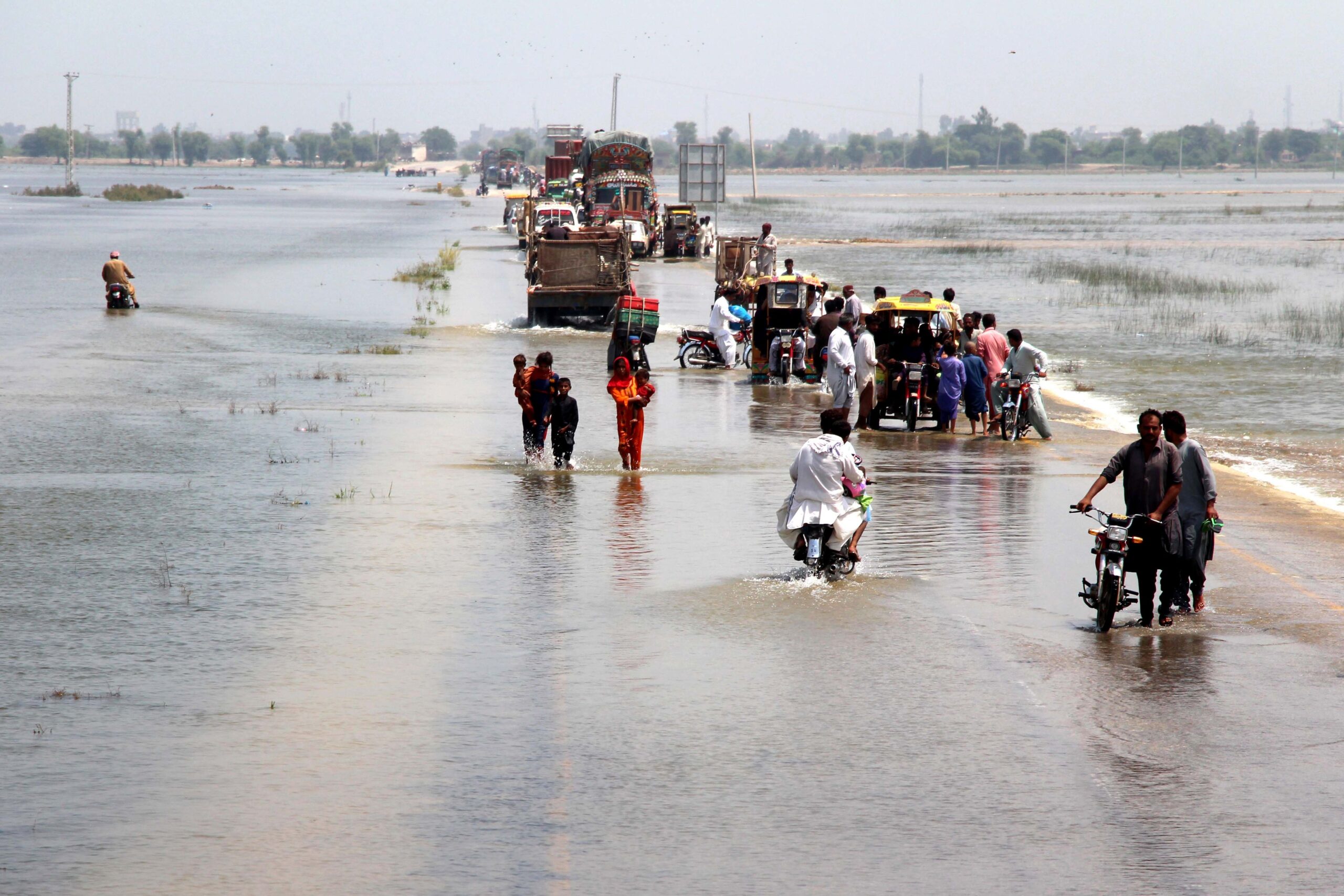
In disasters, the water and sanitation systems that people depend on often collapse: people can't survive much longer than three days without water. That's why we focus much of our disaster response on ensuring that people have access to clean water.
Acting quickly can prevent a disaster situation from turning into a humanitarian crisis. Our water engineers are renowned for their speed and efficiency in providing large quantities of water and sanitation facilities in difficult conditions and in some of the world's most inaccessible places. For example, we built water stations, pumps and distributed water purification tablets after the earthquake and tsunami disaster in Indonesia. We're also on the ground in the war-torn Democratic Republic of Congo, building extensive water systems and installing hand-washing stations to prevent the spread of Ebola.
Clean water fights poverty
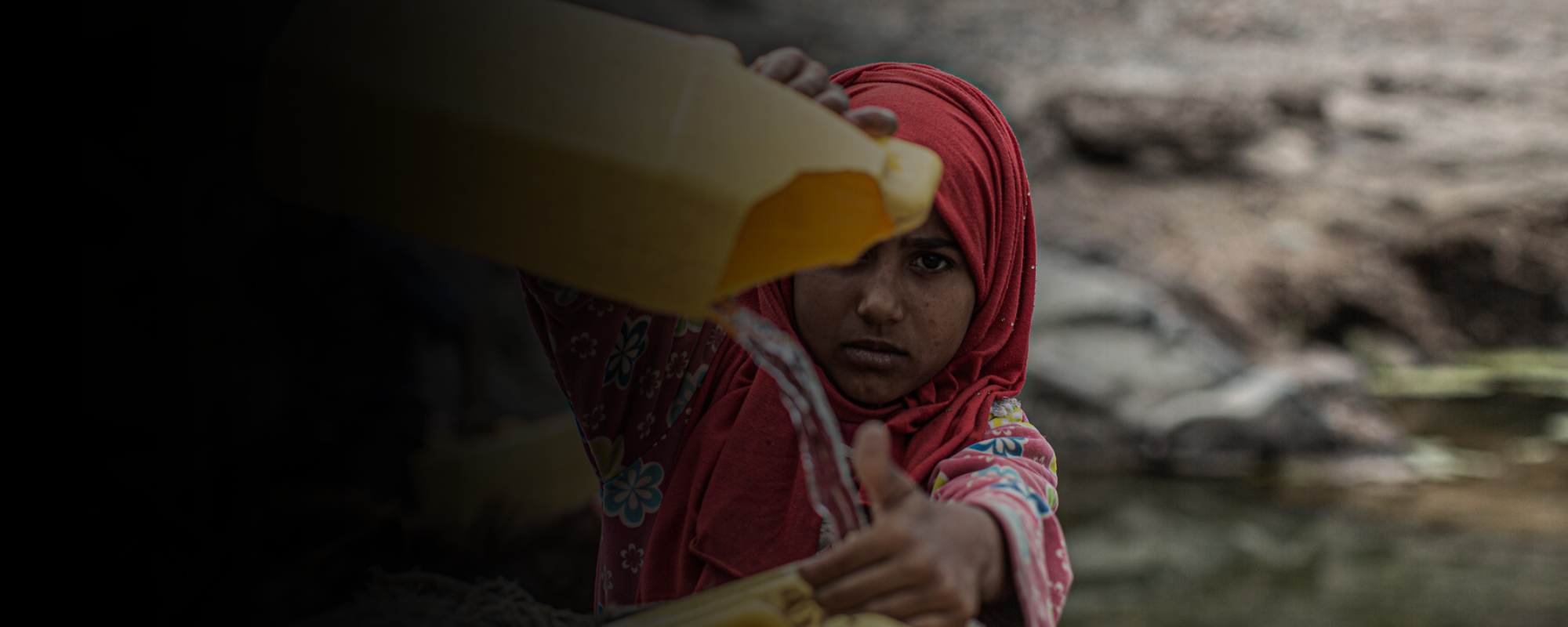
Clean water is deeply linked to poverty. Water scarcity, poor water quality and inadequate sanitation have a negative impact on food security, employment and education opportunities for poor families around the world. Women and girls, who spend countless hours walking long distances to fetch water, are particularly hard hit. Lack of clean water takes up an extremely large amount of time. For example, women in parts of Zimbabwe save as much as four hours of work every day if they have access to clean water close to home. Time they can spend lifting themselves and their families out of poverty. Tackling the root causes of poverty often means for us tackling water-related inequalities.
Water, sanitation and hygiene are at the heart of many of our poverty reduction projects. We work with local communities to ensure that people have long-term access to clean water by providing sustainable, cost-effective solutions that can reduce poverty and prevent disease, helping both individuals and whole communities. Clean water improves people's health and in the long run reduces pressure on often overstretched health resources. Installing simple irrigation systems can help farmers grow crops, improving both their diet and income. Providing schools with clean water, toilets and improved access to and information on hygiene can lead to increased attendance, reduced sick days and improved academic achievement among students.